 Before I moved to Italy, the only thing I new about fava beans was that Hannibal Lecter, Anthony Hopkin’s character in The Silence of the Lambs, had eaten them “with [someone’s] liver and a nice chianti.” Eww, how grizzly is that? It put me off them for a while. But when I got here, I saw how cute and how-very-like lima beans they seemed. I’m a Southern girl, and I missed lima beans, so I gave them a very enthusiastic try. Unfortunately, I was breast-feeding my first child at the time, and I didn’t realize (or I had conveniently put aside the fact) that eating such foods might give her colic. Ow! She cried all night for days after those fava beans, in such a tortured state was her tiny gut. Poverina. And we slept nary a wink—poveri noi—but I guess it served me right. I hadn’t followed the pediatrician’s instructions to the bean.
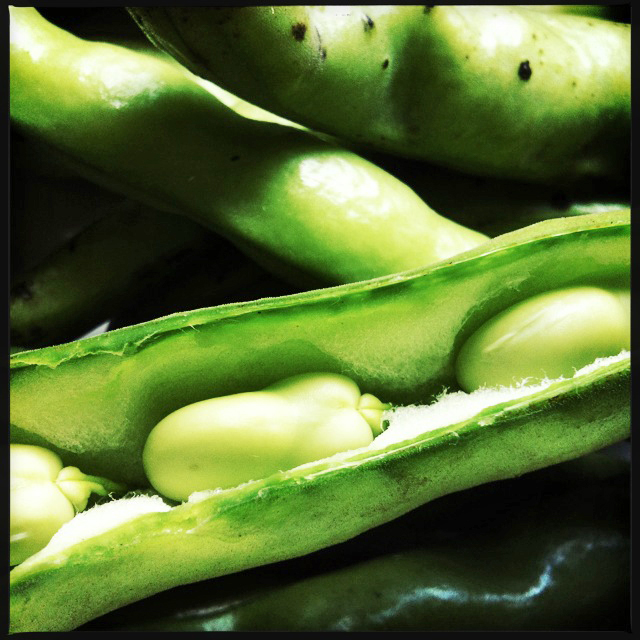
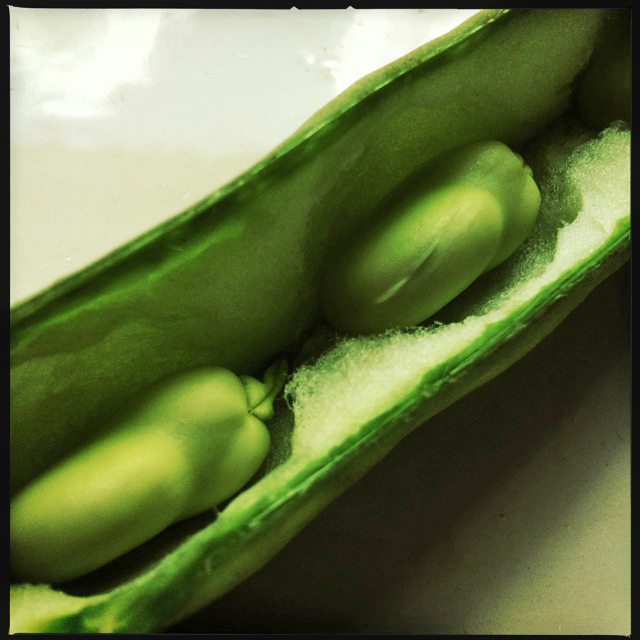
Fast-forward thirteen years, and until last Tuesday, I’d never repeated the experiment. It seemed time, and the market was full of them. I remembered that they tasted nothing like lima beans, but I hadn’t remembered quite how beautiful they are in real life. The pods are plump, more generous than borlotti pods or pea pods. And when you open them, you understand why. Inside the bulbous casing, the beans lie nestled in a cushiony bed. Yes: it’s actually as if some agricultural sprite had lined each one with foam rubber. (We think we’re so smart, but Nature always gets there first.)
Enough about how the beans look. It’s time to get to the taste. They are ever so slightly bitter; but, then again, you probably already knew that. Bitter in a nice way, in a lovely way. In a way that you tolerate, then like, then fall in love with. Hence my postpartum over-indulgence and my innocent baby’s suffering. They are, to be sure, an acquired taste, but as is often the case with acquired tastes, once acquired, they’re the subject and the object of passion, not merely of passing interest.
My reacquaintance with the fava went like this: An Italian chef I adore who goes by the name Giorgione (i.e., his name is Giorgio, but he’s a very large man, hence the suffix), prepared them recently on his TV show with nothing more than crumbled pecorino, olive oil and a grating of black pepper. Let me repeat:
1. A handful of tender, small just-shelled fava beans, uncooked (mine were slightly too large, but next time I’ll know)
2. A crumbling of the best pecorino you can get your hands on (Giorgone used a fresh pecorino, I used a slightly aged variety) but we are not talking the store-bought pecorino romano you grate over pasta. Go to your local cheese-person and ask his or her opinion. Experiment.
3. Olive oil. Something yummy. Not an insipid, pale cooking oil.
4. Sea salt (only if your cheese is of the very fresh variety and therefore less salty. As I used a slightly seasoned cheese, I added no salt whatsoever).
5. Pepper (grind away).

Toss that all together, and I am telling you that you are in for a treat. The best kind of treat. The kind that requires very little labor, no cooking and a sublime mixture of ingredients that are each heavenly in their own right. But don’t eat too much, the uncooked beans might provoke a musical reaction if consumed out of moderation. (Best to eat them in the company of people you love who happen to love you. But, isn’t that always the best condition for dining?)

NOTE: I’ve linked Giorgone’s name (in the above paragraph) to his Facebook page. If you understand Italian, I hope you enjoy it. If you don’t, I believe there are English translations available. In any case, his recipes are interesting and inspiring because they’re all based on what he finds fresh in his garden. Obviously, he’s close personal friends with pancetta and guanciale as well, but you have to love his dedication to the good things in garden and life.

 When I started this blog, I included a category called “Transitions.” The idea was to write every time we went back and forth between Italy and France. The passage through the Alps is always stunning and serves, really and metaphorically, to remind me that Transitions-R-Us, that as living beings on a living planet we are always in flux, passing from one state to the next, experiencing both the breathtaking vistas and the long, dark tunnels along the way.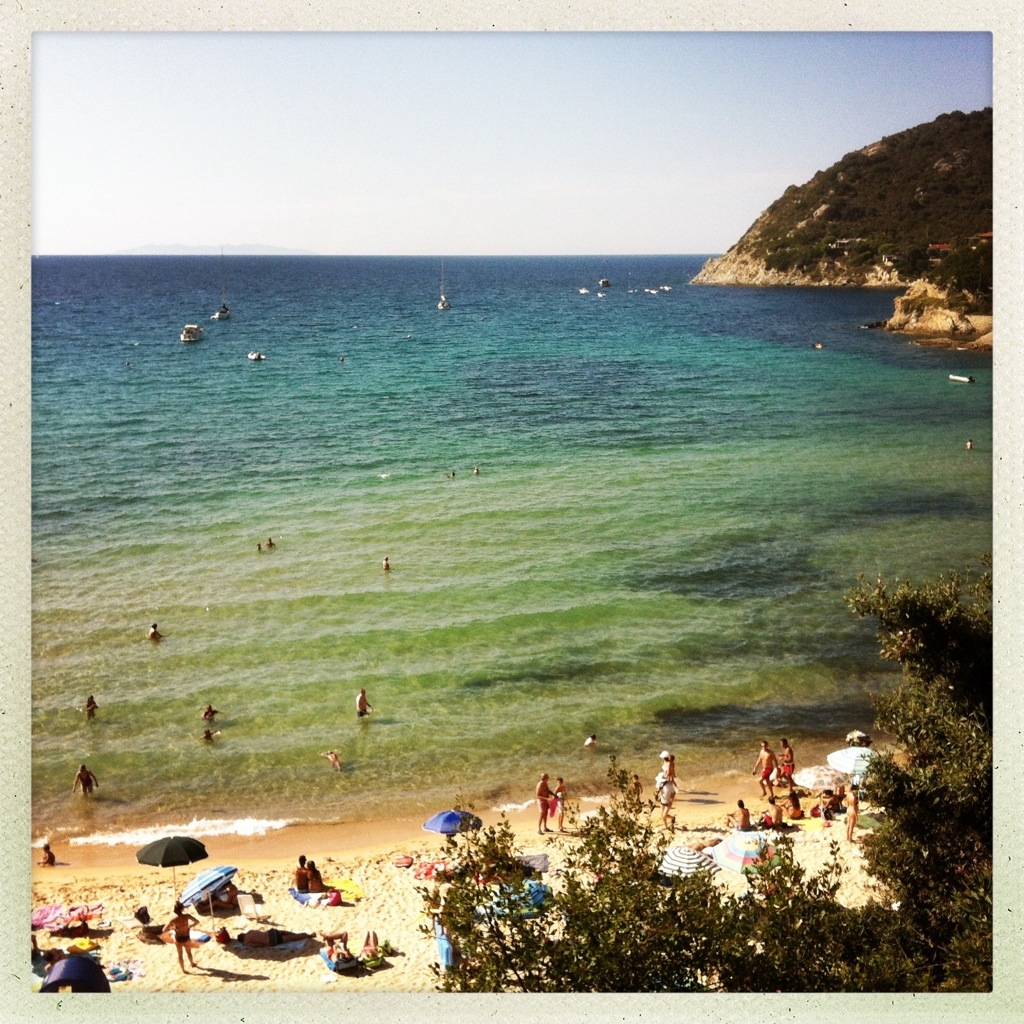
























 The Daily Cure